
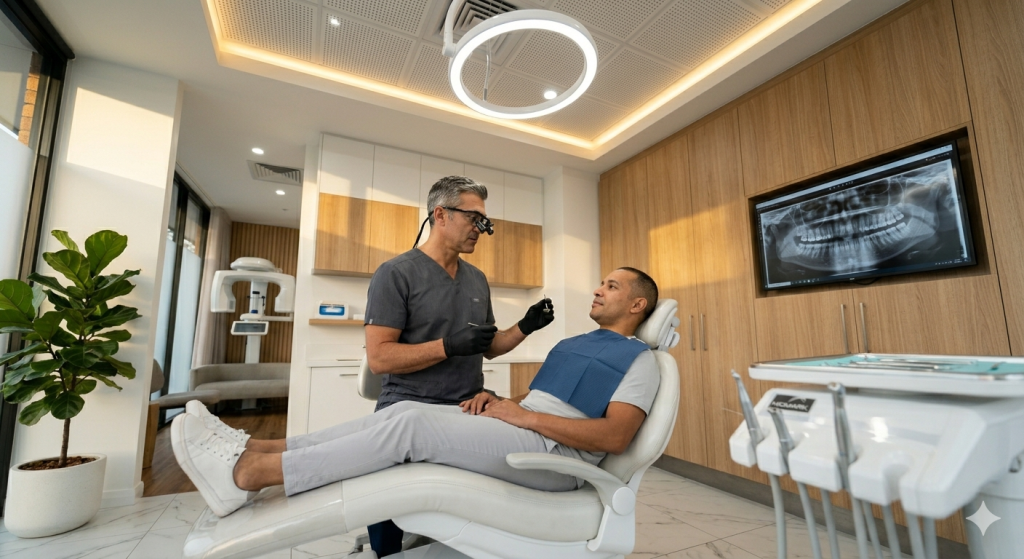
Dental implants in Yorba Linda, CA, offer a reliable solution for those looking to replace missing teeth with a natural and lasting option. They provide stability and function like real teeth, making eating and speaking easier while improving overall oral health. Many people appreciate that implants help maintain the jawbone and facial structure over time.
Patients often wonder about comfort and the procedure itself. Modern dental technology has made implants less invasive, with shorter recovery times and personalized care to ensure a smooth experience. The Yorba Linda community benefits from skilled dentists who prioritize both effective treatment and patient comfort.
Choosing dental implants is a step toward better dental health and confidence. Those curious about whether implants are right for them are encouraged to talk with a local expert who can explain the process clearly and help create a treatment plan tailored to their needs.
What Are Dental Implants?
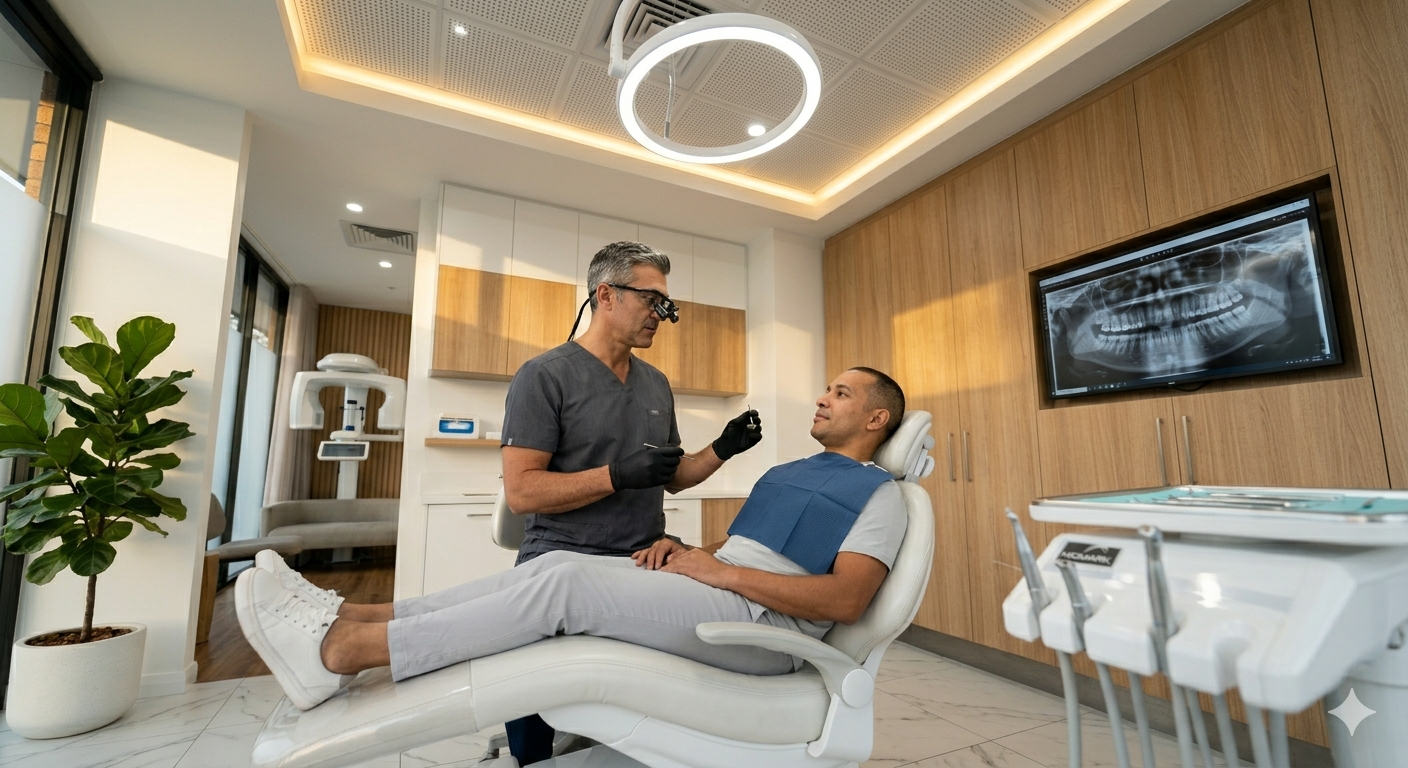
Dental implants are designed to replace missing teeth in a way that looks, feels, and functions like natural teeth. They offer a long-term solution by supporting crowns, bridges, or dentures securely in the mouth. The process involves replacing the tooth root with a titanium post, which integrates with the jawbone for stability and strength.
Understanding Tooth Loss
Tooth loss can result from various factors including decay, gum disease, injury, or aging. When a tooth is lost, the jawbone in that area can start to deteriorate due to a lack of stimulation. This bone loss can affect facial structure and lead to shifting of neighboring teeth.
Missing teeth can make chewing difficult and impact speech clarity. It also affects self-confidence when smiling or talking. Managing tooth loss early helps prevent these issues and preserves oral health.
How Dental Implants Work
A dental implant consists of three main parts: the implant post, the abutment, and the prosthetic tooth. The post is surgically placed into the jawbone, where it fuses with the bone in a process called osseointegration. This creates a strong foundation similar to a natural tooth root.
Once fully integrated, an abutment is attached to the post. This connects the post to a custom-made crown, bridge, or denture. The final result looks natural and restores full chewing function, with implants acting like permanent teeth.
Who Is a Candidate for Dental Implants
Ideal candidates have good overall health, healthy gums, and enough jawbone density to support the implant. Those who suffer from uncontrolled diabetes or significant bone loss may require additional treatments before implants are possible.
Non-smokers or those willing to quit have higher success rates because smoking can affect healing. Dentists evaluate oral health and medical history to tailor the best treatment plan. Many patients find implants are an excellent option for restoring their smile and function.
Benefits of Dental Implants in Yorba Linda CA
Dental implants offer practical solutions that improve both appearance and oral health. They provide reliable support for chewing and speaking, while also helping maintain the jaw’s structure and preventing bone loss.
Restoring Confidence and Function
Dental implants mimic natural teeth closely, giving patients in Yorba Linda a secure and comfortable fit. Unlike dentures, implants won’t slip or cause discomfort, so people can eat their favorite foods without worry.
This stability improves speech and chewing power, making daily activities easier. Implants also help prevent changes in facial shape caused by missing teeth, preserving a natural look. Many patients report feeling more confident smiling and interacting with others after implant treatment.
Long-Term Oral Health Advantages
Implants stimulate the jawbone, which helps prevent bone deterioration common after tooth loss. This preservation maintains facial structure and supports remaining teeth.
Unlike bridges, implants do not require altering neighboring teeth, which keeps more of the natural mouth intact. They also reduce the risk of gum disease associated with gaps between teeth. With proper care, dental implants can last for decades, making them a sound investment in oral health.
The Dental Implant Procedure Explained
Dental implants in Yorba Linda involve several careful steps designed for successful, lasting tooth replacement. Each stage focuses on precision and patient comfort, ensuring a smooth experience from start to finish.
Initial Consultation
The journey starts with a thorough consultation. During this visit, the dentist examines the patient’s mouth, takes X-rays or 3D scans, and reviews medical history to confirm candidacy for implants.
This step is vital to create a personalized treatment plan. It addresses bone density, gum health, and any existing dental issues. The dentist will explain options, timelines, and costs, answering all patient questions to ease concerns.
Patients can expect clear guidance on what to expect during the entire implant process. This builds trust and helps set realistic expectations for healing and results.
Implant Placement Process
Implant placement involves surgically positioning a titanium post into the jawbone. This post acts as an artificial tooth root, providing strong support for the future crown.
The procedure usually takes about 1 to 2 hours under local anesthesia to keep the patient comfortable. The dentist may use sedation if necessary for added relaxation.
After creating a small incision in the gum, the implant is inserted into the bone. The gum is then closed with stitches, and a protective healing cap is placed on the implant.
Healing and Osseointegration
Healing is critical for the implant’s success. Over several months, the jawbone grows around the implant in a process called osseointegration, locking it firmly in place.
During this time, patients should follow care instructions closely—maintaining oral hygiene and avoiding hard foods around the implant site.
Regular check-ups help monitor healing progress. Any discomfort usually fades within a few days, but it’s important to report prolonged pain or swelling to the dentist immediately.
Crown Restoration
Once the implant is stable, the final step is attaching the crown, which looks and functions like a natural tooth. The dentist takes precise impressions of the mouth to craft a custom crown that matches the patient’s bite and tooth color.
The crown is then secured to an abutment, which connects to the implant post. This restoration allows for normal chewing and smiling without worry.
Patients will receive care tips to maintain their new tooth, emphasizing daily cleaning and routine dental visits to keep the implant healthy and durable.
Types of Dental Implants Offered
Dental implant options vary based on individual needs and the number of missing teeth. Each type provides specific benefits, whether replacing a single tooth or supporting multiple teeth for a natural look and strong function.
Single Tooth Implants
Single tooth implants replace one missing tooth with a titanium post surgically placed into the jawbone. This post acts like a natural tooth root, providing stability and preventing bone loss.
A custom crown is attached to the implant, matching the color and shape of surrounding teeth for a seamless appearance. This solution doesn’t affect neighboring teeth, unlike bridges that require grinding down adjacent teeth.
Patients enjoy improved chewing ability and feel confident speaking and smiling. Healing typically takes a few months for the implant to fully integrate with the bone before the crown is placed.
Implant-Supported Bridges
Implant-supported bridges replace two or more adjacent missing teeth using fewer implants than individual implants would require. Instead of crowning every missing tooth separately, implants anchor a dental bridge.
This option preserves jawbone health and offers stronger support than traditional bridges, which rely on natural teeth for anchoring. It’s also more comfortable and durable.
The process involves placing implants at either end of the gap, then attaching the bridge to them. This is a good choice when several teeth in a row are missing without requiring implants for each tooth.
Full Arch and All-on-4 Implants
Full arch implants restore an entire set of upper or lower teeth with as few as four implants—hence the name All-on-4. These implants support a fixed prosthesis that looks and functions like natural teeth.
This approach is less invasive and often quicker than placing individual implants for every tooth. It suits patients who have lost most or all teeth in one jaw and want a stable, long-term solution.
All-on-4 implants eliminate the need for removable dentures, improving comfort and confidence when eating and speaking. They also stimulate the jawbone, helping to maintain facial structure over time.
Modern Technology and Care Standards in Yorba Linda
Dental implant care in Yorba Linda features precise diagnostics and gentle treatment methods designed for better outcomes and comfortable patient experiences. Providers rely on cutting-edge tools to carefully plan each procedure and minimize discomfort.
Advanced Imaging and Planning
Dentists use 3D cone beam computed tomography (CBCT) scans to get detailed images of the jawbone and surrounding structures. This allows for exact measurements of bone density and positioning before placing implants.
Digital treatment planning software creates a virtual map of the implant site, helping the dentist place implants in the safest and strongest locations. This reduces risks like nerve damage or implant failure.
By using guided surgery templates based on this advanced imaging, the procedure becomes more predictable. Patients experience shorter surgery times, less swelling, and faster healing.
Minimally Invasive Techniques
Minimally invasive approaches reduce tissue trauma during implant placement. Techniques like flapless surgery involve small incisions or no incisions at all, which cuts down on pain and recovery time.
Laser technology may also be used to prepare soft tissue gently, promoting faster healing and less bleeding. These methods help preserve natural gum tissue and bone.
Because less invasive methods cause less discomfort, patients often report feeling more relaxed and recovering quickly. This focus on gentle care supports long-term oral health after implant placement.
Caring for Your Dental Implants
Proper care is vital to keep dental implants healthy and functional. It involves consistent daily habits and regular professional care to prevent complications like gum disease or implant failure.
Daily Oral Hygiene
Dental implants need the same careful attention as natural teeth. Brushing twice a day with a soft-bristled toothbrush and low-abrasive toothpaste helps remove plaque. Using an interdental brush or floss specifically designed for implants can clean hard-to-reach spaces around the implant posts.
Avoid abrasive toothpaste or aggressive brushing to protect the implant surface and gum tissue. Rinsing with an antimicrobial mouthwash can reduce bacteria and support gum health. Drinking plenty of water and avoiding tobacco also contribute to a clean environment around your implants.
Professional Check-Ups
Regular dental visits are crucial for implant longevity. The dentist will examine the implant, surrounding gums, and bone for signs of infection or bone loss. Professional cleanings remove plaque and tartar that daily brushing can miss.
Typically, implant patients benefit from check-ups every six months. However, those with gum disease history or other risk factors may need more frequent visits. Early detection of problems enables less invasive treatments and keeps implants stable for years.
Financing and Insurance for Dental Implants
Dental implants can be a valuable investment in long-term oral health, but understanding the financial side is important. Knowing what costs to expect and how insurance or payment plans might help can make the process smoother for patients in Yorba Linda.
Understanding Costs
The cost of dental implants varies depending on several factors. These include the number of implants needed, any preparatory procedures like bone grafts, and the type of materials used for crowns or bridges.
On average, a single implant in Yorba Linda might range from $3,000 to $5,000. This typically covers the implant post, abutment, and crown. Additional treatments can add to the price.
Patients should also consider follow-up visits and potential maintenance, which are part of long-term care. Many dental offices provide detailed estimates upfront to help plan financial commitments clearly.
Insurance and Payment Plans
Most dental insurance plans offer limited coverage for implants since they are often seen as elective. Some plans may cover parts of the procedure, like the crown or extractions.
Patients should check with their insurer for specific benefits linked to implant treatments. Many Yorba Linda dental offices work with patients to maximize benefits and submit claims on their behalf.
To ease out-of-pocket expenses, flexible financing options are common. These include monthly payment plans with little or no interest, making implants more affordable without compromising care quality.
Options to consider:
- CareCredit or similar health credit cards
- In-house payment plans
- Third-party financing companies with fixed monthly payments
Patients are encouraged to discuss all available financial options directly with their dental provider for personalized guidance.
Why Choose a Yorba Linda Dentist for Dental Implants?
Selecting the right dentist in Yorba Linda ensures tailored care that suits local community needs and offers advanced expertise. The focus is on understanding patient comfort, using the latest technology, and providing a skilled team experienced in dental implants.
Personalized Local Care
Yorba Linda dentists are familiar with the community’s unique dental health concerns and preferences. This local knowledge allows them to customize implant treatments to each patient’s lifestyle and oral condition, creating a more comfortable, efficient process.
Patients benefit from friendly, face-to-face service in a familiar setting. Follow-ups and emergency care are easier to schedule nearby, reducing travel stress. Local dentists also stay updated on regional health trends, making prevention and aftercare more relevant and accessible.
Experienced Implant Dentistry Team
Dentists in Yorba Linda often have specialized training in dental implant procedures, including surgical placement and restorative care. Their experience covers a range of cases, from simple single-tooth implants to complex multi-implant restorations.
The team typically uses modern imaging and guided surgery techniques for precision and faster recovery. They work closely with dental labs to ensure implants look natural and fit perfectly, improving both function and appearance.
This expertise helps reduce complications and increases the long-term success of dental implants, offering patients confidence in their smile’s durability and health.
Next Steps: Schedule Your Dental Implant Consultation
Taking the first step toward dental implants starts with scheduling a consultation. During this visit, the dental professional will evaluate the patient’s oral health and discuss individual needs and expectations. It’s a chance to ask questions and learn about the implant process in a comfortable setting.
The consultation typically includes a thorough examination, possibly with digital X-rays or 3D imaging. These tools help the dentist assess bone density and overall jaw structure to plan the best treatment approach. Patients can expect clear explanations about what to expect before, during, and after the procedure.
Here’s what to prepare for the consultation:
- A list of current medications and medical conditions
- Details about previous dental work
- Any concerns or goals regarding dental implants
During the conversation, the dentist will also cover options for anesthesia and pain management, emphasizing patient comfort every step of the way. Scheduling a consultation opens the door to personalized care and a treatment plan suited to each patient’s lifestyle.
To make an appointment, patients can contact the dental office directly by phone or use an online booking system if available. Early scheduling often provides more flexibility and a quicker path to restoring a confident smile.
Frequently Asked Questions
Dental implants are a reliable option for many, but individual factors like oral health and treatment timing can affect the process. Understanding the roles of professionals, procedure length, and recovery details helps patients feel more confident about their implant journey.
Am I a good candidate for dental implants if I have gum disease or have been missing teeth for a while?
Patients with gum disease need that condition treated before implants can be placed. If teeth have been missing for a long time, bone loss may have occurred, and a thorough evaluation will determine if implants are still possible.
What’s the difference between an oral surgeon and a general dentist when it comes to placing implants?
Oral surgeons specialize in surgical implant placement, often handling complex cases. General dentists can also place implants but usually manage simpler cases or coordinate care with specialists.
How long does the dental implant process usually take from consultation to final crown?
The full process can take several months, generally 3 to 6 months. This allows time for healing after implant placement before attaching the permanent crown.
Will I need a bone graft or sinus lift before getting an implant, and how do you decide?
If there is insufficient bone to support an implant, a bone graft or sinus lift might be necessary. Your dentist will assess bone density with imaging to decide the best course.
What does recovery feel like after implant surgery, and how can I stay comfortable?
Mild discomfort, swelling, and bruising are common for a few days. Pain can be managed with prescribed or over-the-counter medication, and following post-op care instructions helps speed recovery.
How should I care for my implant long-term to help it last for many years?
Good oral hygiene with brushing and flossing, regular dental check-ups, and avoiding smoking are crucial. Proper care helps prevent infection and implant failure over time.