
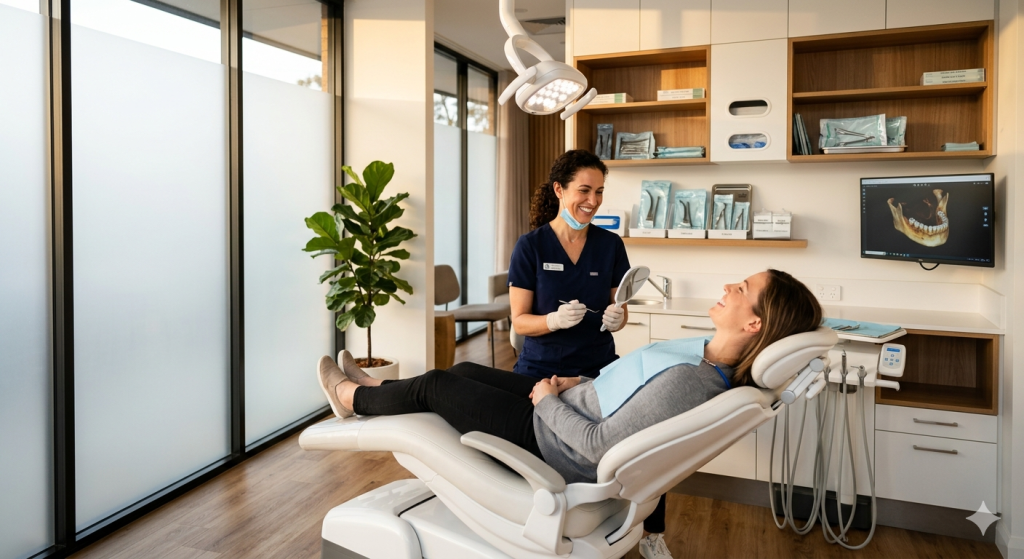
Full mouth dental implants in Yorba Linda, CA, offer a reliable solution for people who have lost most or all of their teeth. This treatment replaces an entire set of teeth with secure, natural-feeling implants that improve chewing, speech, and overall confidence. It’s an option designed to bring back a healthy smile and restore daily comfort.
The procedure combines dental implants with custom-made prosthetics, providing a long-lasting and stable alternative to traditional dentures. Patients benefit from advanced techniques that focus on minimizing discomfort and speeding recovery, making the process manageable even for those worried about dental work.
Many choose full mouth implants because they want a restoration that feels like real teeth, without the slipping or irritation dentures can cause. If someone is considering this treatment, talking with a trusted Yorba Linda dental specialist is the best next step to explore personalized options.
Understanding Dental Implants
Dental implants replace missing teeth by securely anchoring artificial teeth to the jawbone. They restore both function and appearance, allowing patients to eat, speak, and smile with confidence. Knowing how implants work and if a person qualifies helps set realistic expectations.
What Are Dental Implants?
Dental implants are small titanium posts surgically placed into the jawbone. They act like natural tooth roots, providing a strong foundation for crowns, bridges, or dentures. The titanium material is biocompatible, meaning the body accepts it without rejection.
These implants fuse with the bone over time through a process called osseointegration. This fusion creates stability that traditional dentures and bridges may lack. Implants come in various sizes and types depending on the patient’s anatomy and dental needs.
How Dental Implants Work
Implants are placed during a minor surgical procedure under local anesthesia. Once inserted, healing can take several months while the implants bond with the bone. During this time, temporary teeth may be worn.
After osseointegration, custom-made prosthetic teeth are attached. These teeth look and function like natural ones, restoring chewing ability and speech clarity. Good oral hygiene and regular dental visits are crucial to maintain implant health.
Who Is a Good Candidate?
Ideal candidates have sufficient jawbone density to support implants and healthy gums free of disease. Non-smokers or those willing to quit are better candidates since smoking impedes healing. Medical conditions like diabetes must be controlled for safe surgery and recovery.
Age is less important than overall health. A thorough dental and medical evaluation helps determine candidacy. Patients missing multiple teeth or needing full mouth restoration often benefit most from implants as a long-term solution.
Benefits Of Full Mouth Restoration
Full mouth restoration offers a range of improvements that affect daily life, appearance, and long-term dental health. It moves beyond simply replacing teeth, focusing on lasting function, comfort, and confidence.
Improved Chewing and Speaking
Full mouth dental implants restore the natural function of teeth, enabling patients to chew a wider variety of foods without discomfort. Unlike dentures that can slip or cause irritation, implants are securely anchored to the jawbone. This stability allows for clearer speech, as the implants mimic the feel and positioning of natural teeth.
Patients often notice foods taste better because implants don’t cover the palate like traditional dentures. Comfortable chewing reduces digestive issues that come from improper food breakdown. In short, implants make eating and speaking more natural and less stressful.
Restoring Confidence in Your Smile
A restored smile through full mouth implants can dramatically improve self-esteem. Missing or damaged teeth sometimes cause people to avoid social interactions or hide their smile. Implants provide a natural, attractive appearance that looks like real teeth.
Because the implants don’t shift or move, patients feel more secure when talking, laughing, or eating in public. This comfort with one’s smile can lead to better personal and professional relationships. The ability to smile freely without worry is a key emotional benefit of full mouth restoration.
Long-Term Oral Health Advantages
Full mouth implants protect against bone loss, which occurs when teeth are missing. The implants stimulate the jawbone, helping maintain facial structure and preventing the sunken look often seen with dentures or tooth loss. This leads to healthier gums and better overall oral stability.
Additionally, implants help distribute bite forces evenly, reducing wear on surrounding teeth. They do not require altering nearby healthy teeth, unlike bridges. Long-term, this approach supports the durability of the entire mouth, reducing the risk of further dental problems and treatments down the line.
Treatment Process Overview
The process for full mouth dental implants in Yorba Linda, CA, involves careful steps tailored to each patient’s needs. It starts with a thorough evaluation, followed by personalized planning, and concludes with a clear recovery timeline to help patients prepare. Each phase focuses on comfort, precision, and long-term success.
Initial Consultation and Assessment
The journey begins with a detailed consultation where the dentist reviews the patient’s dental history and performs a physical exam. Advanced imaging like 3D X-rays or CT scans is used to evaluate bone structure and pinpoint the best spots for implants.
During this visit, the team discusses the patient’s goals, medical conditions, and any concerns such as anxiety or special health needs. This assessment helps determine if bone grafts or additional procedures are necessary before implant placement.
Patients receive a clear explanation of what to expect, pain management options, and any pre-surgery instructions. This personalized approach sets the foundation for a smoother treatment.
Custom Treatment Planning
Once all exams and scans are completed, the dentist develops a tailored treatment plan. This plan specifies the number and type of implants, placement strategy, and timing of each stage to ensure the best results.
The plan might include temporary dentures or bridges to maintain appearance and function during healing. Advanced digital software often guides implant placement, increasing precision.
Cost, insurance coverage, and scheduling are discussed openly. This detailed roadmap helps patients feel confident about the entire process and the steps needed to restore their smile fully.
Timeline for Recovery
Recovery varies but typically involves several phases. Right after surgery, most patients experience mild swelling and discomfort lasting a few days, which can be managed with prescribed medications or over-the-counter pain relief.
Osseointegration—the process where implants fuse with the jawbone—takes about 3 to 6 months. During this time, patients should follow care instructions like soft diets and avoiding smoking to support healing.
After healing, the final restoration, such as crowns or bridges, is attached. Regular follow-ups ensure the implants are stable and functional. Patients are encouraged to maintain good oral hygiene to protect their investment long-term.
Advanced Technology and Comfort
Full mouth dental implants in Yorba Linda use precise imaging and gentle care techniques to ensure accurate planning and a comfortable experience. Patients benefit from tools that provide a clear view of their oral health and options to reduce anxiety during treatment.
Modern Imaging and Diagnostics
Dentists employ 3D cone beam CT scans to get detailed images of the jawbone and surrounding structures. This allows exact placement of implants, reducing risks and improving success rates.
Digital impressions replace traditional molds, offering a more comfortable process without the mess. These scans create accurate models of the mouth for custom implant design.
Clear visuals help patients understand their treatment plans. Seeing detailed images makes it easier to ask questions and feel confident about the procedure.
Comfort Measures and Sedation Options
Clinics in Yorba Linda often provide sedation options like oral sedation, nitrous oxide, or IV sedation. These help patients stay calm and relaxed throughout the procedure.
Local anesthetics numb the area, preventing pain during implant placement. Many providers combine this with sedation for a nearly pain-free experience.
Comfort is prioritized with ergonomic dental chairs, noise-canceling headphones, and breaks during long appointments. These small touches make treatments feel easier and less stressful.
Patients are encouraged to discuss their comfort preferences before treatment to tailor sedation and support accordingly.
Choosing a Yorba Linda CA Provider
Finding the right dental implant provider involves considering both the dentist’s expertise and the office environment. Patients should focus on credentials, experience, and how comfortable they feel with the team. Equally important are the office’s technology, patient care approach, and convenience.
What to Look for in an Implant Dentist
A qualified implant dentist in Yorba Linda will have specific training in implantology or oral surgery. Look for certifications from recognized bodies and years of experience performing full mouth dental implants. Reviews and before-and-after photos can show real patient results and satisfaction.
It helps if the provider offers a clear treatment plan after a thorough exam and digital imaging. They should explain options in simple terms and address any concerns about surgery or recovery. Implant dentistry requires skill and precision, so choosing someone who stays updated with the latest techniques is key.
Local Office Amenities and Approach
A patient-friendly Yorba Linda dental office will prioritize comfort and ease throughout the implant process. Look for amenities like sedation options, clean modern equipment, and a welcoming waiting area. Convenient hours and flexible scheduling can make appointments less stressful.
The staff’s attitude also matters. Friendly, patient-centered care that listens and communicates clearly helps build trust. Offices that use advanced 3D imaging and guided surgery software often provide more accurate implant placements, reducing healing time. Small details like parking availability or accessibility may affect your overall experience too.
Costs and Financing Options
Full mouth dental implants involve several key expenses and payment choices that patients in Yorba Linda should understand before starting treatment. Costs vary widely depending on the complexity of the procedure and available financing can make this life-changing dental work more affordable.
Understanding Pricing Factors
The total cost for full mouth dental implants depends on multiple factors. This includes the number of implants placed, the materials used for crowns or bridges, and any preparatory procedures like bone grafting. For example, titanium implants with zirconia crowns typically cost more than standard options.
Geography affects pricing as well—Yorba Linda’s local market rates and the expertise of the dental team play roles. Additional fees may cover X-rays, CT scans, and sedation. A typical full mouth implant treatment can range from $20,000 to $50,000 or more depending on these variables.
Insurance and Payment Plans
Most dental insurance plans do not fully cover the cost of full mouth implants because they are often seen as elective or cosmetic. However, some policies provide partial reimbursement for related procedures like extractions or bone grafts.
Many practices in Yorba Linda offer flexible payment plans to ease the financial burden. These can include monthly installments with little or no interest, third-party financing options, or CareCredit®. Patients should ask about discounts for upfront payments or bundled service deals.
Discussing all these options with the dental office helps patients find the best way to manage expenses while receiving high-quality implant care.
Caring For Your New Smile
After full mouth dental implants, proper care is essential to keep the implants healthy and ensure they last for many years. Maintaining good habits and regular checkups will support both the function and appearance of the new smile.
Daily Oral Hygiene Tips
Daily care begins with gentle brushing at least twice a day using a soft-bristle toothbrush. It’s important to clean around the implant crowns thoroughly to remove plaque without damaging the gums.
Flossing should be done carefully to avoid harming the implant attachments. Using floss designed for implants or interdental brushes can help reach tight spaces. An antimicrobial mouth rinse may be recommended to reduce bacteria and support gum health.
Avoid abrasive toothpastes or harsh scrubbing, as these can wear down implant surfaces. Drinking plenty of water also helps wash away food particles and keeps the mouth fresh throughout the day.
Maintaining Results for Years to Come
Regular dental visits every 6 months allow a professional to check implant stability and catch any issues early. X-rays may be taken periodically to ensure bone and implant integration remains strong.
Avoid habits like smoking or chewing hard objects, such as ice or pens, which can cause damage to the implants or surrounding bone. A balanced diet rich in vitamins supports gum health and healing after implant placement.
If any discomfort or changes appear, prompt consultation with the dentist is important. Following the care plan boosts the chances that the full mouth dental implants will function well and maintain a natural look for decades.
Taking the First Step
Choosing full mouth dental implants in Yorba Linda, CA begins with a simple consultation. During this visit, the dentist assesses the patient’s oral health, discusses goals, and answers any questions. This step is key to building trust and understanding the treatment plan.
Patients often worry about pain or discomfort, but modern techniques focus heavily on comfort and minimizing anxiety. Sedation options and gentle care help make the process easier. The dentist explains each phase clearly, so patients feel prepared.
Before implants are placed, thorough exams including X-rays and 3D imaging provide a complete view of bone structure and gum health. This helps the dentist customize the plan for the best results. They review lifestyle factors too, like diet and habits, that support healing.
Here’s what to expect in the first step:
| Action | Purpose |
|---|---|
| Initial Consultation | Review health, discuss options |
| Imaging & Exams | Assess bone, plan implant placement |
| Treatment Planning | Create personalized approach |
| Comfort Measures | Address pain, anxiety concerns |
Taking this first step opens the door to restoring confidence and oral function. Patients are encouraged to ask anything on their mind during the consultation. It’s all about making the journey as smooth and reassuring as possible.
Frequently Asked Questions
Costs for full-arch dental implants in Southern California vary widely based on factors like the number of implants, bone grafts, and the type of restoration used. The choice between All-on-4, All-on-6, and traditional implant-supported dentures depends on bone density, jaw health, and individual goals. The entire implant process timing can differ, often influenced by healing needs and preparatory treatments.
How much do full-arch dental implants typically cost in Southern California, and what factors change the total price?
Prices usually range from $20,000 to $50,000 per arch. Factors like additional bone grafting, multiple extractions, and the quality of materials affect the final price. Location and the dentist’s expertise also influence costs.
What’s the difference between All-on-4, All-on-6, and traditional implant-supported dentures—and how do I know which is right for me?
All-on-4 uses four implants to support a full arch, ideal for patients with moderate bone volume. All-on-6 adds two more implants for increased stability and is preferred if bone structure allows.
Traditional implant-supported dentures use more implants and provide greater long-term support but may require more surgery. A dentist evaluates bone health and personal preferences to recommend the best option.
How long does the full-mouth implant process usually take from consultation to having a secure, natural-looking smile?
The process typically takes 3 to 9 months. This includes consultation, imaging, any necessary extractions or bone grafts, implant placement, and healing time before fitting the permanent restoration.
Immediate-load options can shorten this timeline by providing a temporary set of teeth on the same day as implant placement.
Will I be comfortable during implant surgery, and what kinds of sedation options are available?
Patients usually experience minimal discomfort during surgery thanks to local anesthesia. Sedation options range from mild oral sedatives to IV sedation for deeper relaxation.
Dentists tailor sedation choice based on patient anxiety levels and medical history to ensure a calm, pain-free experience.
Am I still a candidate for full-mouth implants if I’ve had gum disease, bone loss, or need extractions first?
Yes, patients with previous gum disease or bone loss can still qualify. Preparatory treatments like bone grafts and periodontal therapy often restore the foundation for implants.
Extractions can be done beforehand to prepare the mouth for implant placement. A thorough consultation helps determine the best timing and treatment plan.
Can certain medical conditions—like autoimmune disorders or diabetes—affect whether dental implants are a safe option for me?
Conditions such as uncontrolled diabetes or autoimmune disorders may impact healing and implant success. However, well-managed health issues often still allow for successful implant treatment.
Dentists work closely with patients and their physicians to assess risks and create safe, customized plans.